Let’s regain, step by step, the freedom of your movement.
Dr. Eduardo Argüelles González
Contact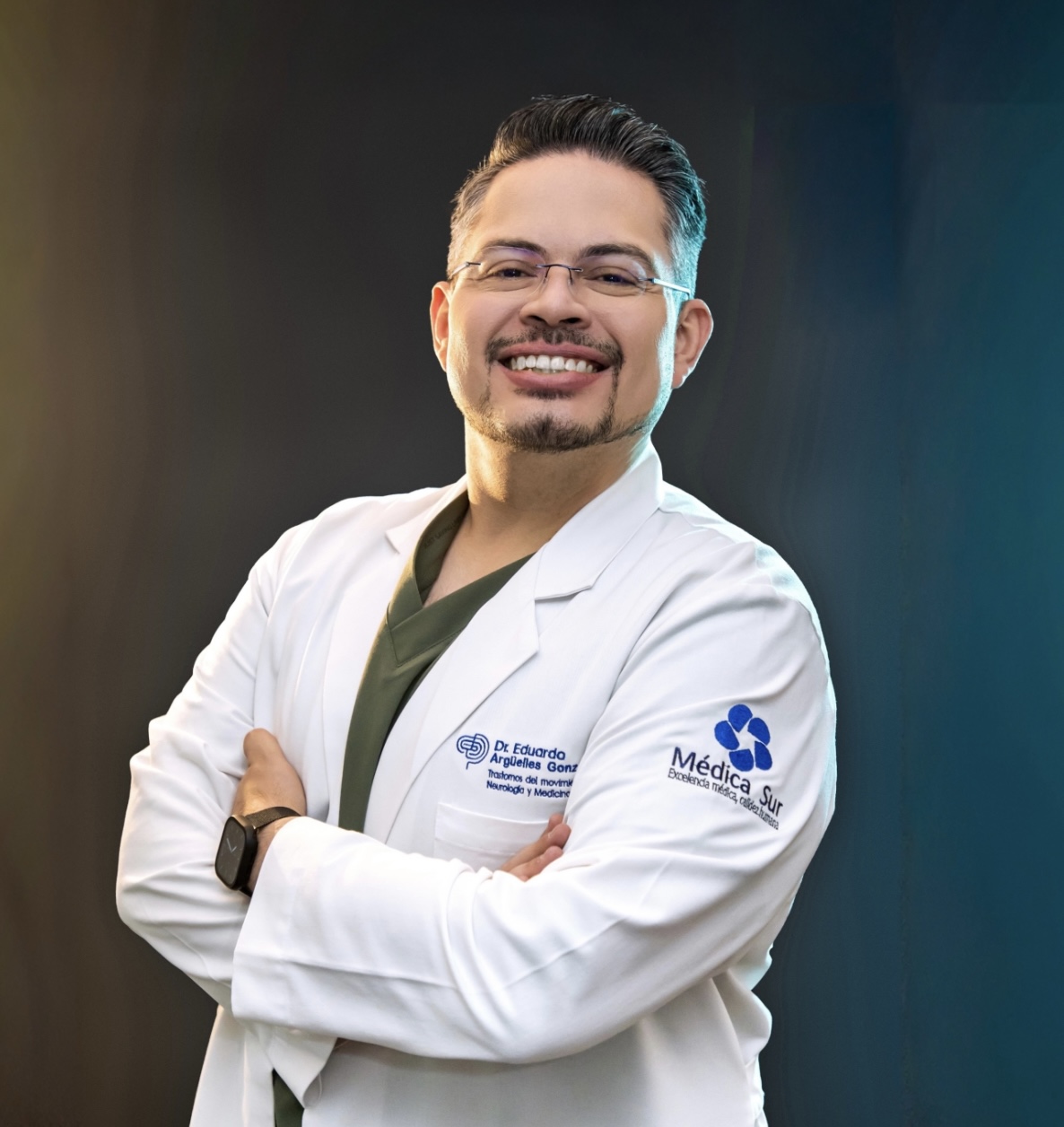
About
Dr. Eduardo Argüelles
Neurologist and internist specialized in Parkinson’s disease, movement disorders, and neurodegenerative diseases.
Expert in invasive and non-invasive neuromodulation for the management of neurological conditions.
PhD in Health Sciences and Education; with extensive experience in clinical research, higher education, and scientific communication.
COFEPRIS 2409082002A00020
Education
-
2008 - 2016
Doctor of Medicine (MD)
Autonomous University of Yucatán
-
2016 - 2020
Internal Medicine Residency
Dr. Javier Buenfil Osorio Specialty Hospital
-
2017 - 2019
Master’s Degree in Scientific Education
National Polytechnic Institute (IPN)
-
2018 - 2020
Postgraduate Diploma in Health Research
European University of the Atlantic
-
2020 - 2023
Neurology Residency
National Autonomous University of Mexico (UNAM) – National Institute of Neurology and Neurosurgery (INNN)
-
2023 - 2024
Fellowship in Neurodegenerative Diseases and Movement Disorders
National Autonomous University of Mexico (UNAM) – National Institute of Neurology and Neurosurgery (INNN)
-
2023 - 2027
PhD in Education
Intercontinental University
-
2024 - 2028
PhD in Health Sciences
Anáhuac University
Professional Experience
-
2025 - Current
Head. Movement Disorders and Neuromodulation Center at Médica Sur
Department of International Medicine. Médica Sur.
-
2025 - Current
Associate Researcher
Anáhuac University
-
2024 - 2025
Graduate Program. Department of Education
National Institute of Neurology and Neurosurgery Manuel Velasco Suárez. Mexico City
-
2023 - Current
Specialist in Parkinson’s Disease and Movement Disorders. Neurologist and Internist.
Médica Sur. Office 301. Tower II.
-
2022 - 2025
Neurologist
Health Services of the Mexico City Metro System
-
2021 - 2022
Internal Medicine Physician
Emergency Department. Escandón Hospital
Interviews
- 17+ years of experience
- Specialized services
- High-quality care
Neuromodulation
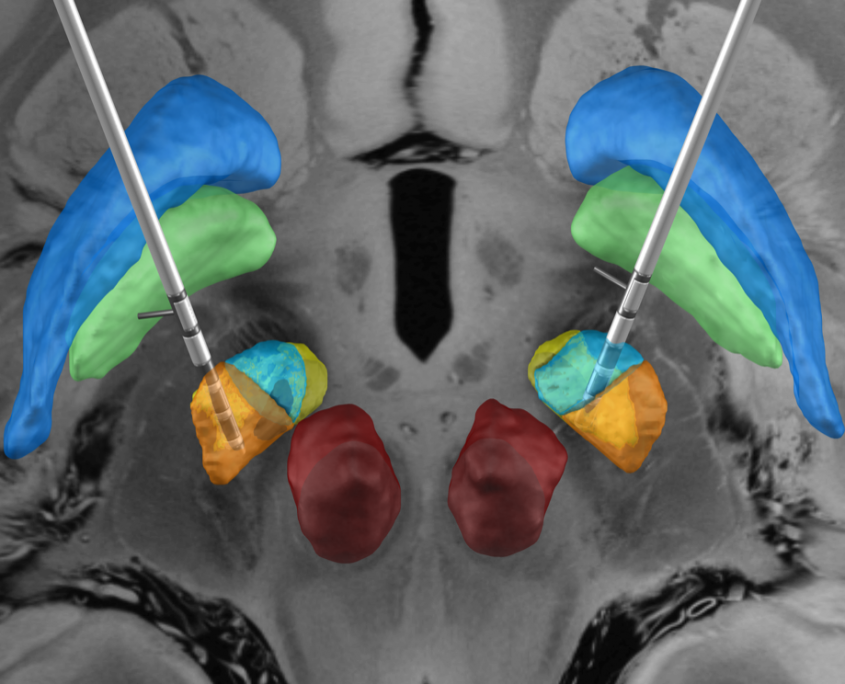
Neuromodulation is a medical technique that uses electrical or magnetic stimuli to alter and regulate neuronal activity in the brain or nervous system. It is primarily used to treat various neurological and psychiatric conditions by precisely modulating neural signals to improve function or reduce symptoms of diseases such as movement disorders, chronic pain, depression, among others.
Learn moreLo que nuestros pacientes opinan
Jas Jhajj
Dr. Eduardo Argüelles González was very knowledgeable and provided great recommendations. He was attentive, helpful, and provided all his recommendations in writing after our consultation. I would recommend him to anyone looking for assistance with any neurological issues.

Laura Jiménez
El Dr. Arguelles es un excelente neurólogo. Su tratamiento me ha ayudado mucho con mi enfermedad de Parkinson.

Ricardo Castro
Excelente médico, muy profesional y humano. Me ha ayudado mucho con mi tratamiento de neuromodulación.

Jorge Hernández
Muy buen doctor, muy profesional y atento. Recomiendo ampliamente sus servicios.
Luis Pérez
Excelente médico, muy profesional y humano. Me ha ayudado mucho con mi tratamiento de neuromodulación.
Patricia López
Muy buen doctor, muy profesional y atento. Recomiendo ampliamente sus servicios.
Reezwana Yadallee
After one year of being in and out of ER in Winnipeg, Canada, I reached out to Médica Sur in Mexico City and they put in touch with Dr. Eduardo Argüelles. He was the first doctor to actually understand and know what was going on with me. He was very kind, considerate and honest. The FND diagnosis came as a shock but he was very very supportive and quickly connected me to a team who will follow up with my rehabilitation and recovery. As my husband said, “he sent me a rope when I was drowning.” I can’t thank him enough for his support.
Carlos Rodríguez
Muy buen doctor, muy profesional y atento. Recomiendo ampliamente sus servicios.
Selected Services
Neurologist and internist specializing in movement disorders and neurodegenerative diseases.

Deep Brain Stimulation
An advanced technique planned and performed by a multidisciplinary team in which intracerebral stimulators are placed and subsequently programmed.
It is mainly used for Parkinson´s disease, dystonia, and tic disorders.

Advanced Therapies for Parkinson’s Disease
An advanced technique planned and carried out by a multidisciplinary team, where intracerebral stimulators are implanted and subsequently programmed. It is mainly used for Parkinson´s disease, dystonia, and tic disorders.

Comprehensive care for neurological diseases in adults.
This comprehensive care addresses conditions such as neuromuscular diseases, cerebrovascular disorders, epilepsy, and other neurological problems, providing medical services, therapies, and emotional support to improve patients’ quality of life.

Botulinum toxin for neurological conditions
Application of botulinum toxin (a substance capable of relaxing muscle cells) for the treatment of various neurological conditions, including chronic migraine, dystonia, blepharospasm, hemifacial spasm, spasticity, stiffness, among others.

Transcranial Magnetic Stimulation
Non-invasive and painless neuromodulation that regulates the function of neuronal groups through an electromagnetic field. It is used in a wide range of neuropsychiatric conditions.

Levodopa/Carbidopa Intestinal Gel Pump
An advanced system for the continuous administration of levodopa/carbidopa directly into the small intestine through an infusion pump. This treatment is indicated for patients with advanced Parkinson’s disease who do not achieve good symptom control with oral medications.

Apomorphine in Subcutaneous Infusion
Treatment designed for patients with advanced Parkinson’s disease who experience severe motor fluctuations. It consists of the continuous administration of apomorphine through a subcutaneous infusion pump, allowing for more stable symptom control.

Neuropsychological Assessments
Evaluations conducted by a professional specialized in neuropsychology, aimed at analyzing patients’ cognitive, emotional, and behavioral functions. These assessments are essential for the diagnosis and management of various neurological conditions.
Affiliated Centers & Organizations













Frequently Asked Questions
Does Parkinson’s disease have a treatment?
Yes, Parkinson’s disease has treatment. Although there is no cure, there are therapeutic options that can help control symptoms and improve patients’ quality of life. These treatments may include medications to increase dopamine levels in the brain, physical and occupational therapy to improve mobility and function, as well as surgery in selected cases, such as deep brain stimulation (DBS). Additionally, research continues in the search for new therapies and approaches to manage Parkinson’s disease.
What are movement disorders and what does a specialist in movement disorders and neurodegenerative diseases do?
Movement disorders are neurological conditions that affect a person’s ability to move normally. Common examples include Parkinson’s disease, essential tremor, and dystonia.
A specialist in movement disorders and neurodegenerative diseases is a physician trained in the diagnosis and treatment of these conditions. This type of specialist is a neurologist with additional training in the field of movement disorders. They focus on evaluating patients’ symptoms, conducting diagnostic tests such as MRIs or genetic testing, and developing treatment plans that may include medications, physical or occupational therapy, and in some cases, surgery. They may also be involved in research to improve the understanding and treatment of these disorders.
What is a neurologist and what conditions do they treat?
A neurologist is a medical doctor specialized in the diagnosis and treatment of diseases related to the nervous system, including the brain, spinal cord, peripheral nerves, and muscles. Some of the conditions they treat include epilepsy, multiple sclerosis, Parkinson’s disease, migraines, Alzheimer’s disease, and sleep disorders, among others.
What is an internist and what do they do?
An internist is a specialist in internal medicine who focuses on the diagnosis and treatment of diseases in adults. They treat a wide range of conditions such as cardiovascular diseases, diabetes, respiratory illnesses, gastrointestinal disorders, infectious diseases, and autoimmune conditions, among others. Their approach is comprehensive, considering the body as a whole and coordinating the overall medical care of their patients.
What is deep brain stimulation and how is it used for movement disorders?
Deep Brain Stimulation (DBS) is a treatment that involves implanting electrodes in specific areas of the brain, which are connected to a device similar to a pacemaker, placed under the skin in the chest. This device sends electrical signals through the electrodes to modulate the activity of brain regions involved in movement disorders.
For conditions such as Parkinson’s disease, dystonia, or essential tremor, DBS is used to help control motor symptoms like tremors, stiffness, and difficulty walking that do not respond well to medication or other treatments. DBS can significantly improve patients’ quality of life by reducing motor symptoms and enabling them to carry out daily activities more easily.
What is the use of botulinum toxin in Neurology?
Botulinum toxin is used in neurology to treat various neurological conditions, especially movement disorders, conditions involving muscle overactivity, and certain types of headaches. Common uses include the treatment of dystonia (involuntary muscle contractions), spasticity (excessive muscle stiffness), blepharospasm (involuntary eyelid spasms), spasticity associated with cerebral palsy, and chronic migraine.
Botulinum toxin works by blocking the release of acetylcholine at the neuromuscular junction, causing localized and temporary muscle relaxation.
What is transcranial magnetic stimulation?
Transcranial Magnetic Stimulation (TMS) is a non-invasive technique that uses magnetic fields to stimulate nerve cells in the brain, with therapeutic purposes in multiple neurological and neuropsychiatric conditions.
How do I know if I should see a movement disorder specialist?
If you experience tremors, stiffness, slowness or lack of coordination in your movements, difficulty walking, or loss of balance, it’s important to consult a specialist. These symptoms may be signs of conditions such as Parkinson’s disease or other movement disorders. You should also seek a specialist if you already have a diagnosis and are looking for expert guidance to optimize your treatment.
Is it necessary to bring prior studies to the first consultation?
If you have imaging studies, lab results, or medical reports related to your condition, it is recommended to bring them. This helps in making a more accurate assessment and avoids unnecessary repeat testing. If you don´t have them, don’t worry—we can determine what is needed during the consultation.
Can I have an appointment even if I am already being treated by another doctor?
Yes, you can schedule a consultation even if you are already being treated by another specialist. We will work as a team with your treating physician to coordinate the most appropriate management for your case. Since many neurological disorders require a multidisciplinary approach, our goal is to contribute expertise and explore the best therapeutic options together.
Can I receive Transcranial Magnetic Stimulation (TMS) if my diagnosis is primarily psychiatric or if the patient is a child?
Yes, TMS can be an option in these cases. At our clinic, we have specialists in psychiatry and pediatric neurology to perform the necessary initial evaluation. If you prefer, you may also come with an assessment already conducted by another specialist. The goal is to ensure that TMS is appropriate and safe based on the patient’s diagnosis and specific needs.
Do we offer apomorphine pump treatment (Dacepton) for patients with advanced Parkinson’s disease?
Yes, we offer apomorphine pump treatment for patients with advanced Parkinson’s disease who do not respond adequately to oral medication. This treatment is used to control severe motor fluctuations and improve quality of life. During the initial consultation, we will assess whether you are a candidate for this treatment and explain the procedure, management, and necessary care.